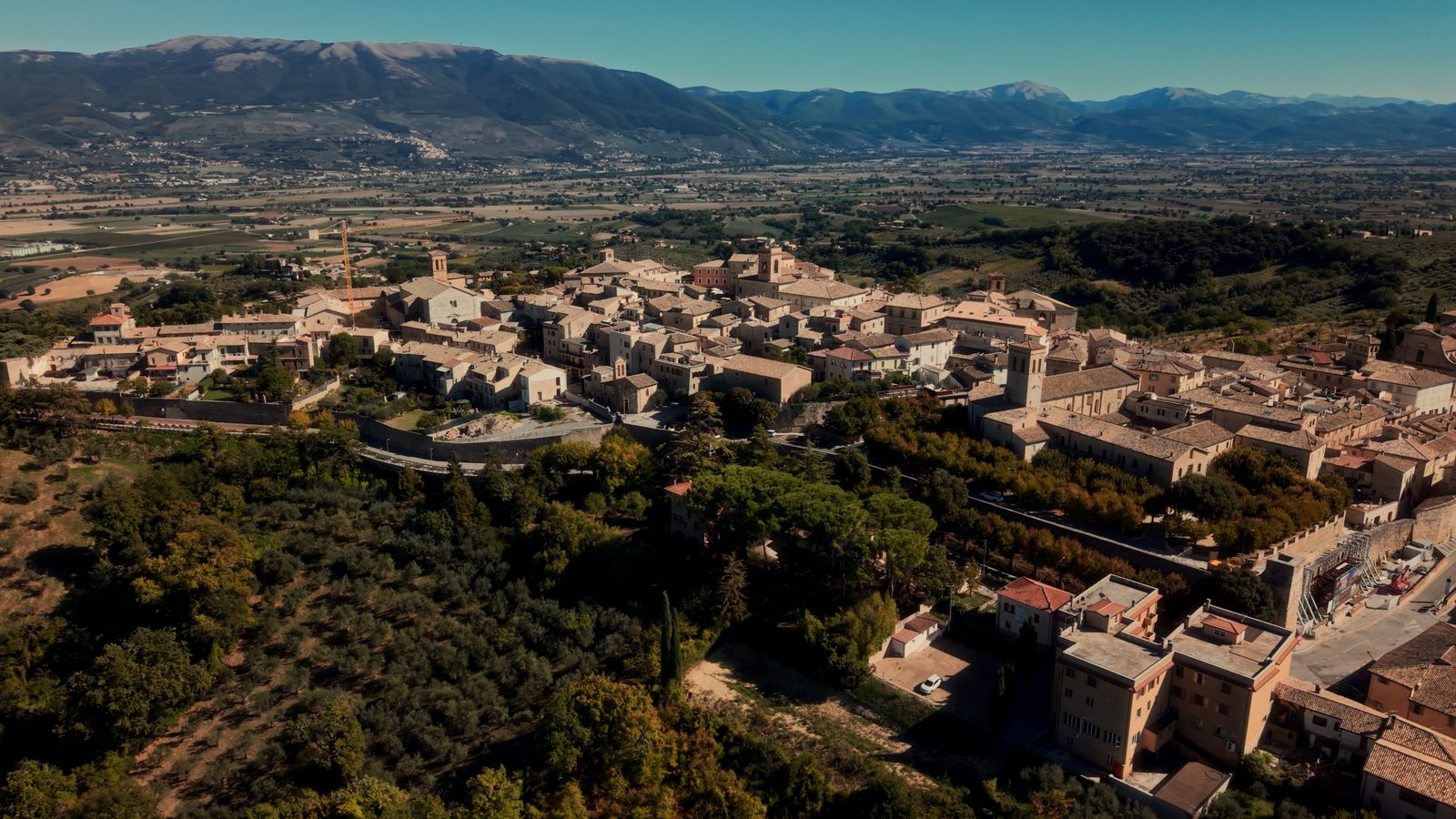
After a long shoot day in Montefalco, a medieval town on an Umbrian hilltop overlooking vineyards and olive groves, we settled in for dinner at Giampiero Bea's table. It had taken six years to get there.
A friend of the project once tasted a bottle of his wine and urged us to get in touch, and after a number of failed attempts and closed doors, this year the door finally opened.
Giampiero’s family has farmed this land for at least five centuries. The estate carries his late father’s name, Paolo Bea, and the family was making what we now call natural wine long before it had a name: grapes picked by hand, wild yeasts, nothing filtered out, nothing added but a little sulfite. Some of his vines are up to 200 years old, trained up living maple trees in a method that goes back to the Etruscans.
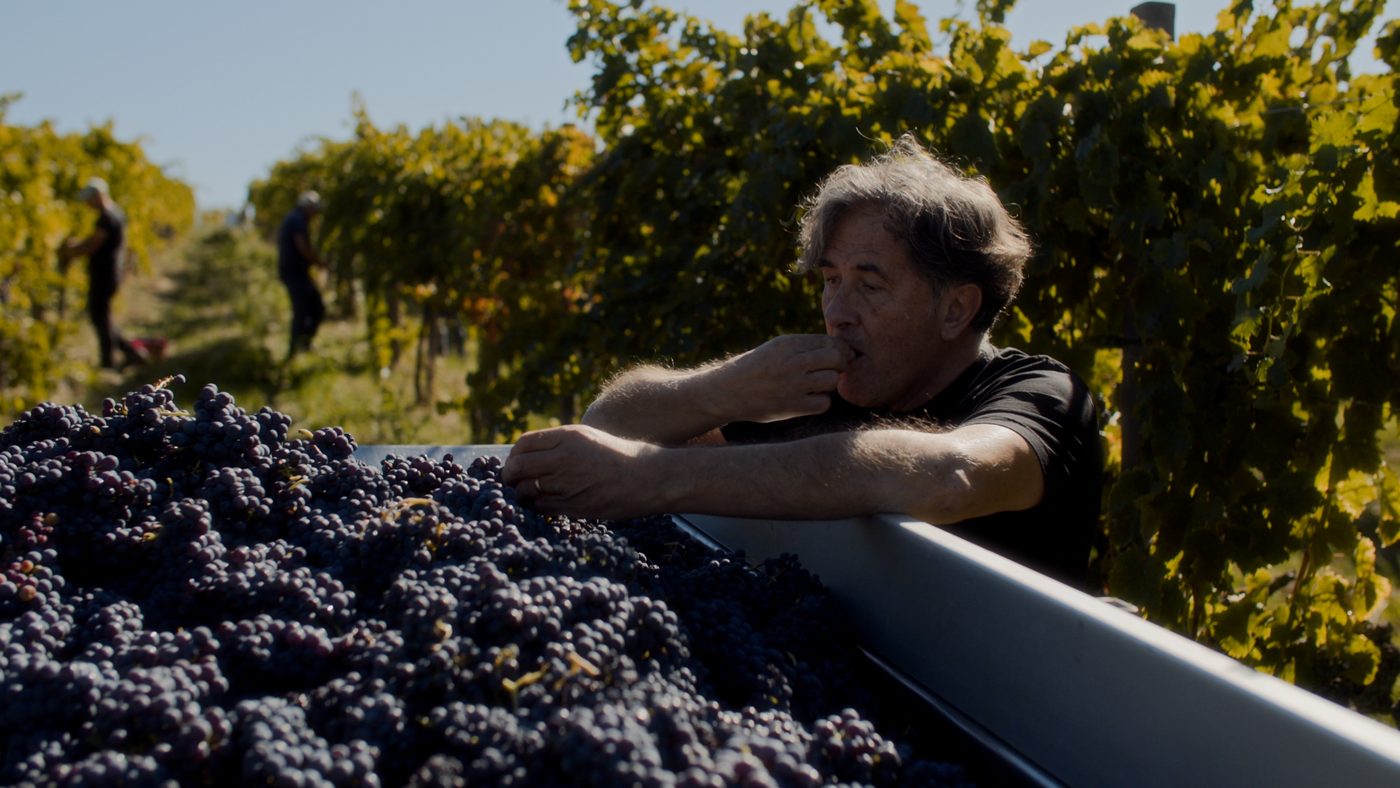
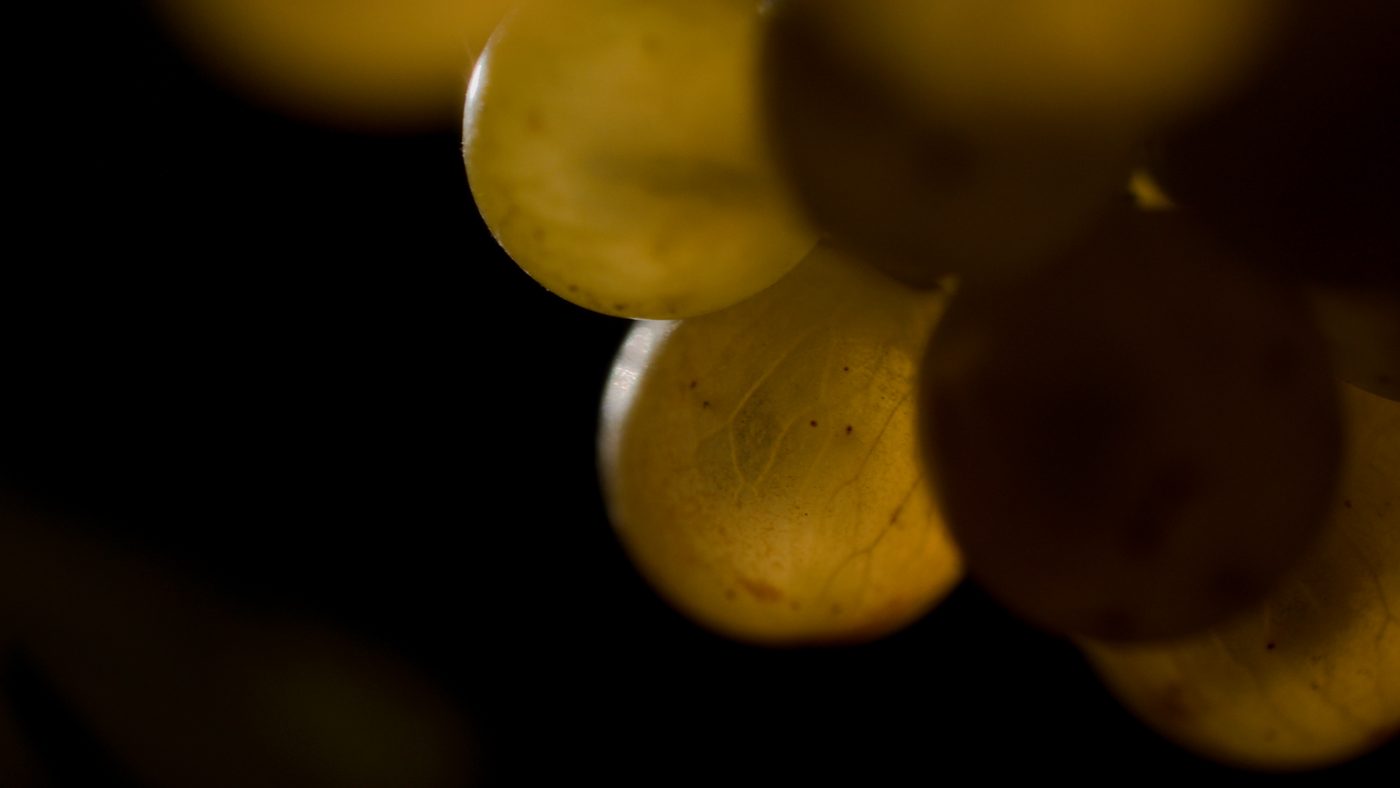
Call him a winemaker and he will gently correct you. “I do not make wine. I assist the natural process,” he told us. His work is to pay attention, to wait, and to step in lightly at the key moments, with gently discerned decisions: when to pick, how long the juice rests on the skins, when to bottle. Otherwise he stays out of the way of something he still calls a miracle. “From a piece of wood comes a bud, then a flower, then a fruit,” he said, “and from that fruit we can drink a wine.”
He is also a man who keeps the wine world at arm’s length. He has no patience for critics who want to score his wine from behind a table without ever walking his vineyards. It’s printed right on his bottles: “Out of respect for our mutual professions, we do not send samples of our wines, even on request, to wine guides or other publications.”
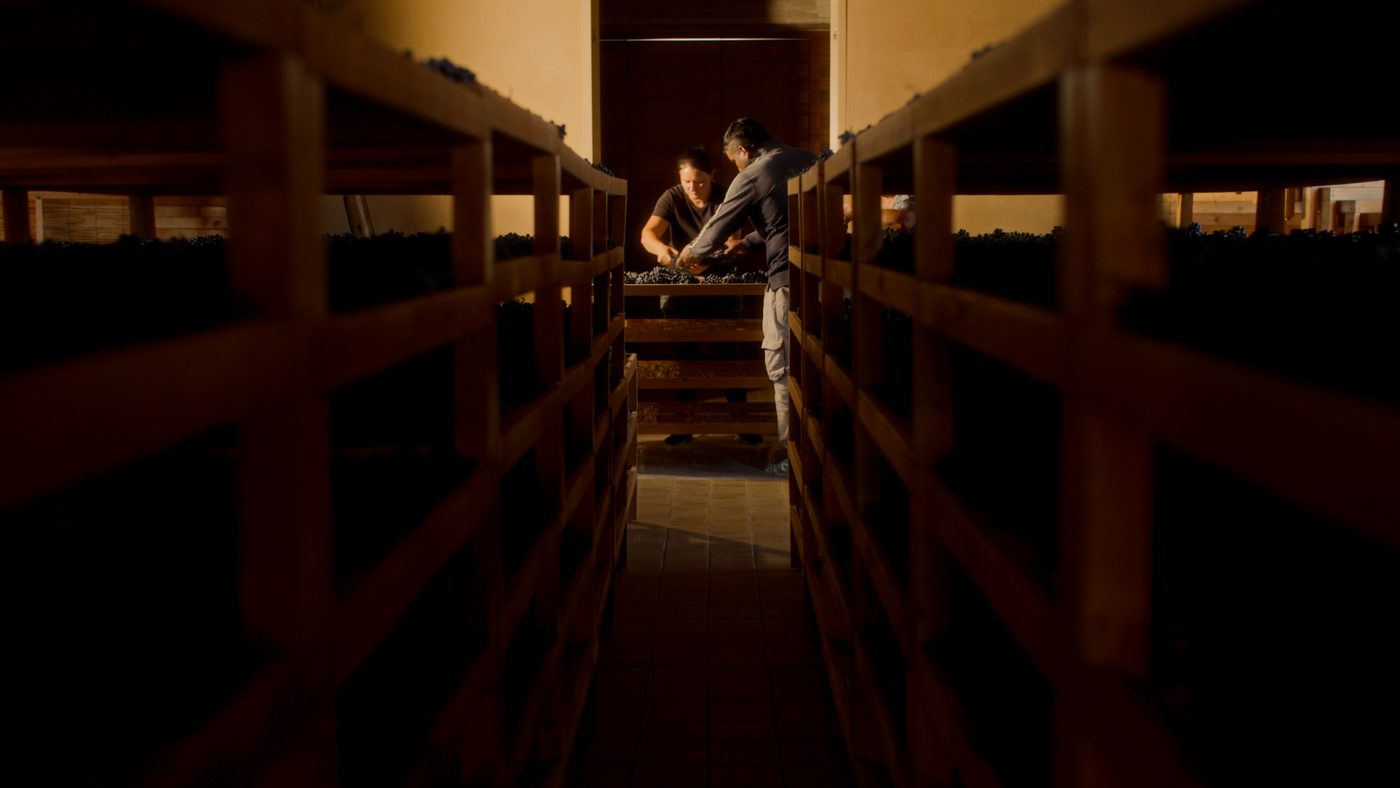
When he decides whether a wine is ready to bottle, he doesn’t look to anyone’s rating. He sets a glass beside his computer while he designs the label. If the glass is empty by the time he’s done, the wine is ready. If it’s only partially gone, it isn’t. His own body, he says, is the real judge.
It would be easy to mistake this for arrogance. After our time with him, we’d call it quiet confidence. The wine is the guide. His task is to honor what the land gives, not to meet someone else’s idea of what wine should be.
Giampiero is slow to let outsiders in, and he knew almost nothing about us. Yet in our very first conversation, he invited us to come and film with him. Over dinner one evening, he confessed he couldn’t explain why he had said yes. We can’t either, except to say it is yet another gracious gift on this Taste and See journey.
Get the next one
Production diaries by email, every few weeks.